Signs It May Be Time for a Tub to Shower Conversion
Noticing signs it may be time for a tub to shower conversion can improve safety and accessibility, and local contractors can expertly handle the upgrade for you.
If you're noticing issues with your current bathtub setup, it might be time to consider a tub to shower conversion. Common signs include difficulty stepping into or out of the tub, cracks or mold that are hard to clean, or simply a desire for a more accessible and modern bathroom space. Property owners in the area often explore this upgrade to improve safety, enhance convenience, or update the look of their bathrooms. Whether you're aiming to make bathing easier or to increase the functionality of your bathroom, understanding these signs can help determine if a conversion could be the right choice.
Local service providers who specialize in tub to shower conversions can help assess your bathroom’s layout and recommend practical solutions tailored to your needs. They can handle everything from removing the old tub to installing a sleek, accessible shower that fits your space and style preferences. Exploring these options early can lead to a more comfortable and functional bathroom, making everyday routines simpler and more enjoyable. Keep reading to learn more about the signs indicating it might be time for a conversion and how local contractors can assist with this upgrade.
- Bathroom Renovation - when outdated tubs show signs of wear or damage, local contractors can transform the space into a modern shower setup.
- Accessibility Improvements - for individuals with mobility challenges, local service providers can replace tubs with walk-in showers for safer, easier access.
- Water Efficiency Upgrades - when seeking to reduce water usage, local pros can install efficient shower enclosures that replace older tubs.
- Space Optimization - in small bathrooms, local contractors can convert bulky tubs into more functional shower areas to maximize space.
- Damage Repair - if a bathtub has cracks or leaks, local service providers can replace it with a shower to prevent further issues and improve bathroom functionality.

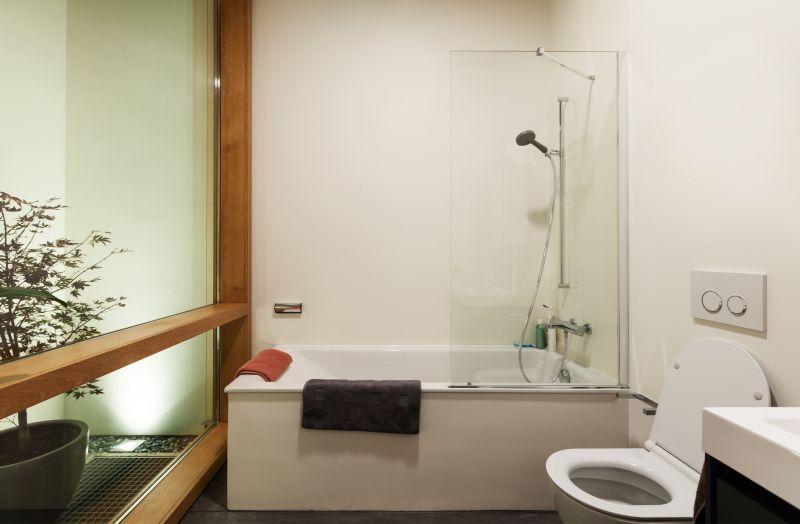

When homeowners search for signs it may be time for a tub to shower conversion, they are usually exploring options to update or improve their bathroom spaces. Many are motivated by the desire to make daily routines more convenient, especially if stepping into a traditional bathtub has become difficult due to mobility issues or physical limitations. Others may be seeking a more modern, streamlined look that better fits their bathroom’s overall design. The search often indicates a need for practical changes that enhance accessibility, safety, or aesthetics, prompting homeowners to consider whether replacing a tub with a shower could be a beneficial solution.
This topic is closely related to common bathroom problems and renovation plans. For example, a bathtub that sees little use might be viewed as an inefficient use of space, especially in smaller bathrooms where maximizing functionality is important. Cracks, chips, or mold in a tub can also be signals that a replacement is needed to improve hygiene and appearance. Additionally, some homeowners plan to upgrade their bathrooms to accommodate aging-in-place needs or to simplify cleaning routines. These considerations often lead to a decision to convert a tub into a shower, which can offer easier access and a more contemporary look, aligning with personal preferences and practical needs.
The types of properties where tub to shower conversions are most common tend to include older homes with traditional bathroom layouts. These homes often feature full-sized bathtubs that no longer meet the current needs or preferences of the occupants. Apartments and condominiums with smaller bathrooms may also benefit from this type of upgrade, as it can free up space and create a more open feel. In some cases, homeowners with mobility concerns or physical limitations seek out these conversions to improve safety and accessibility. Regardless of the property type, local service providers who specialize in tub to shower conversions can help evaluate the existing bathroom setup and recommend the best approach to meet specific needs.
Understanding the signs it may be time for a tub to shower conversion helps homeowners recognize when a bathroom upgrade could be a practical choice. Whether dealing with an aging, damaged, or underused bathtub or aiming to improve accessibility and space efficiency, local contractors can assist in planning and executing a smooth transformation. These professionals bring the expertise needed to ensure the new shower setup is functional, safe, and visually appealing. For homeowners considering this type of renovation, connecting with experienced local service providers can make the process straightforward and tailored to their unique bathroom requirements.
Bathroom remodeling projects - these involve updating fixtures and layouts, often requiring similar planning and skill sets as a tub to shower conversion.
Tile installation services - installing or replacing bathroom tiles is common in shower upgrades and requires precise work similar to shower enclosure renovations.
Plumbing updates and repairs - necessary for converting tubs to showers, as both projects involve rerouting water lines and fixtures with comparable tools and techniques.
Bathroom accessibility modifications - adding features like grab bars or walk-in showers aligns with the planning and construction skills needed for a tub to shower conversion.
Shower enclosure and glass door installation - these projects involve installing shower enclosures, which is a key part of converting a tub space into a shower area.
Waterproofing and sealing services - ensuring bathrooms are properly sealed and waterproofed is essential in shower conversions and similar renovation projects.
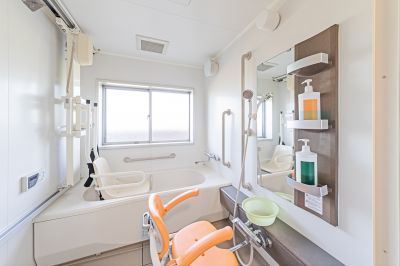
When evaluating potential service providers for a tub to shower conversion, it is important to consider their experience with similar projects. Homeowners should look for local contractors who have a proven track record of completing conversions that match the scope and style of the desired bathroom update. Asking about past work or requesting references can provide insight into their familiarity with the specific challenges and requirements of tub to shower conversions, helping to ensure the chosen professional has the relevant expertise to handle the job effectively.
Clear and detailed written expectations are vital when comparing local contractors. Homeowners should seek service providers who communicate their process, materials, and timeline in a straightforward manner. This helps establish a mutual understanding of what the project entails, reducing the risk of misunderstandings or surprises during the work. A professional who provides comprehensive information upfront demonstrates a commitment to transparency, making it easier to compare options and select a contractor who aligns with the homeowner’s needs.
Good communication and reputable references are essential qualities when choosing local contractors for a tub to shower conversion. Contractors who listen carefully to the homeowner’s preferences and provide prompt, clear responses tend to foster a smoother project experience. Additionally, seeking references or reviews from previous clients can offer valuable perspectives on the contractor’s reliability, quality of work, and professionalism. These factors help homeowners feel more confident in their choice and ensure they select a service provider capable of delivering a successful conversion.
Property owners often search for signs it may be time for a tub to shower conversion when they are planning practical projects around their homes and businesses. Local pros provide Tub to Shower Conversion services for everyday jobs and straightforward project options.
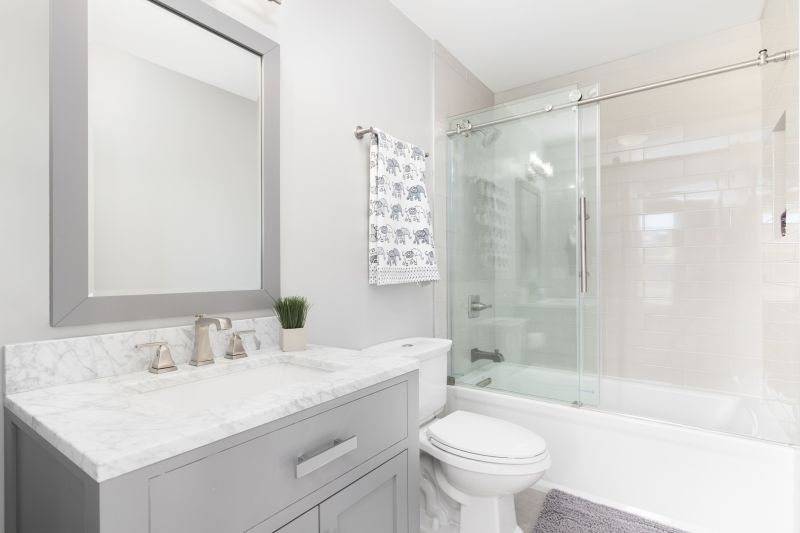
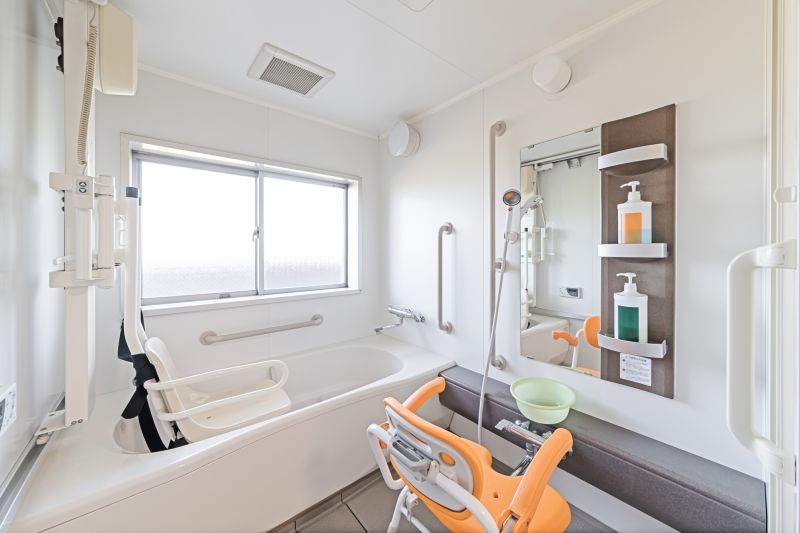
Many property owners notice certain signs that suggest it might be time to consider a tub to shower conversion. For example, a bathtub that is difficult to access due to its height or a space that feels cramped can make daily routines less comfortable. Additionally, if the existing tub shows signs of wear, cracks, or staining, it may be more practical to replace it with a modern shower that requires less maintenance and offers a more accessible design. Local contractors who specialize in bath conversions can help evaluate these signs and recommend options that improve both functionality and appearance.
Other common indicators include a bathroom layout that no longer suits the needs of the household, such as a growing family or mobility challenges. A tub that is rarely used or a space that feels outdated can prompt property owners to explore converting to a shower, which often provides a more efficient use of space. Service providers in the area are equipped to handle these conversions, helping property owners update their bathrooms to better suit their lifestyle and preferences while addressing any structural or design considerations.
What are common signs that a bathtub may need to be replaced with a shower? If the bathtub is difficult to access, shows signs of extensive damage, or no longer fits the needs of the household, it may be time for a tub to shower conversion. Local contractors can assess the space and recommend suitable solutions.
When should homeowners consider converting a tub to a shower for accessibility reasons? If stepping over the tub becomes challenging or unsafe, a shower can provide easier and safer access. Service providers can help design accessible shower options tailored to specific needs.
How can age or wear indicate it’s time for a tub to shower conversion? Signs like cracks, mold, or outdated fixtures can suggest the tub is no longer functional or safe. Local specialists can update the bathroom with a new shower that improves usability and appearance.
What issues with a bathtub might suggest a conversion is necessary? Problems such as leaks, difficulty cleaning, or a non-compliant design may signal the need for a different setup. Professional service providers can perform conversions to address these issues.
Are there signs that a bathroom layout no longer meets household needs? If a tub no longer fits the space or the household’s lifestyle changes, switching to a shower can optimize bathroom functionality. Local contractors can facilitate the conversion process to match current requirements.
Limited accessibility or mobility issues - Upgrading to a walk-in shower can improve safety and ease of use for those with mobility challenges, encouraging property owners to explore conversion options with local contractors.
Cracked or outdated bathtub - Recognizing signs of wear or damage in a bathtub can prompt property owners to consider a conversion project handled by local service providers.
Changing household needs - As family members' needs evolve, converting a tub to a shower can create a more functional space, with local pros helping to customize the design.
Poor utilization of bathroom space - If a bathtub takes up excessive room or no longer fits the lifestyle, property owners might opt for a shower conversion to optimize the bathroom layout with assistance from local contractors.
If you are thinking about signs it may be time for a tub to shower conversion for a property, this guide is meant to help you understand this topic, the typical project types, and how different options might fit your plans.
When you are ready, you can use the quote form on this page to share a few details about your project. From there, local pros can review the basics and follow up with options that match what you have in mind.